
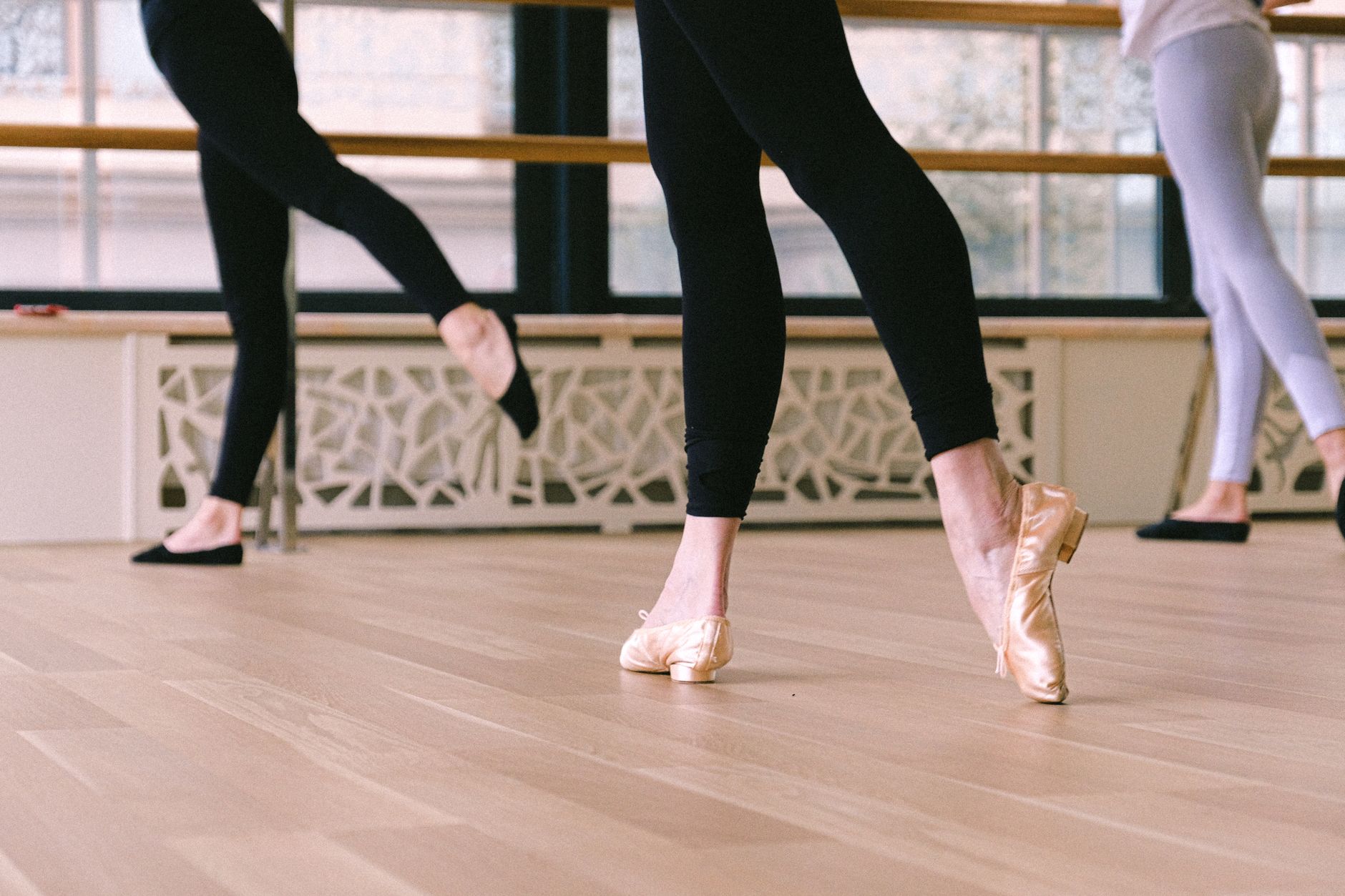
The right dance class should match what you want to learn and fit comfortably into your week. Start by comparing styles, such as ballet, hip-hop, jazz, or ballroom, then check whether the class suits your experience level. Consider the instructor’s approach, class schedule, and your personal goals before enrolling. A little research can help you choose a class where you feel comfortable, stay motivated, and make progress at a pace that works for you.
Compare Dance Styles
Think about the music and movement you enjoy. Ballet often emphasizes posture, control, and precise technique. Hip-hop may focus on rhythm, coordination, and expressive movement, while jazz combines energetic steps with musicality. Ballroom classes teach partner dances and may require working with another student. These are general differences, so review each school’s class description to understand what a specific class includes.
If you are unsure, watch a class or ask whether the school offers a trial session. Notice the music, pace, and teaching style, not just the choreography. A style that sounds appealing on paper may feel different in the studio. Trying an introductory class can help you decide before committing to a longer session.
Check the Experience Level
Look for clear labels such as beginner, intermediate, or advanced, and read the listed prerequisites. A beginner class should explain basic movements and allow time to practice. Intermediate and advanced classes may move faster or expect familiarity with specific techniques. If you have danced before but are returning after a break, ask the instructor which level is the best fit.
Do not choose a class only because its level sounds impressive. In a class that is too advanced, you may struggle to keep up; in one that is too basic, you may not feel challenged. Share your experience honestly when you contact the school. Ask whether the instructor can recommend a level based on the styles and skills you have already studied.
Match Class Times to Your Week
Check the full schedule, including class length, frequency, and whether sessions run during school terms or throughout the year. Choose a time you can attend consistently rather than a slot that works only on an unusually quiet week. If you are balancing work, family, or other activities, account for travel time and any time needed to change before class.
Ask about make-up classes, registration dates, and what happens if you miss a session. These details can affect whether a schedule is practical. If you are choosing between several options, compare the complete weekly routine, not just the start time. A manageable schedule makes it easier to practice regularly and enjoy the class without feeling rushed.
Choose Based on Your Goals
Decide what you want from dance right now. You might be looking for a creative hobby, improved coordination, a structured technical foundation, performance experience, or a way to learn social dancing. Different classes support different goals, so ask what students typically work on and whether the class includes performances, partner work, or technique practice.
Before enrolling, confirm the class size, required clothing or shoes, fees, and any other expectations. You can contact Sound Steps Dance in Seattle to ask about styles, levels, and scheduling. Bring a few questions and explain what you hope to gain. Clear answers can help you select a class that feels welcoming and suits your next steps.
Compare the class content, level, schedule, and expectations against what you want from dance. If you still have questions, contact a local school and ask for a level recommendation or an opportunity to observe or try a class. A good fit is one you can attend consistently and feel ready to learn in.