
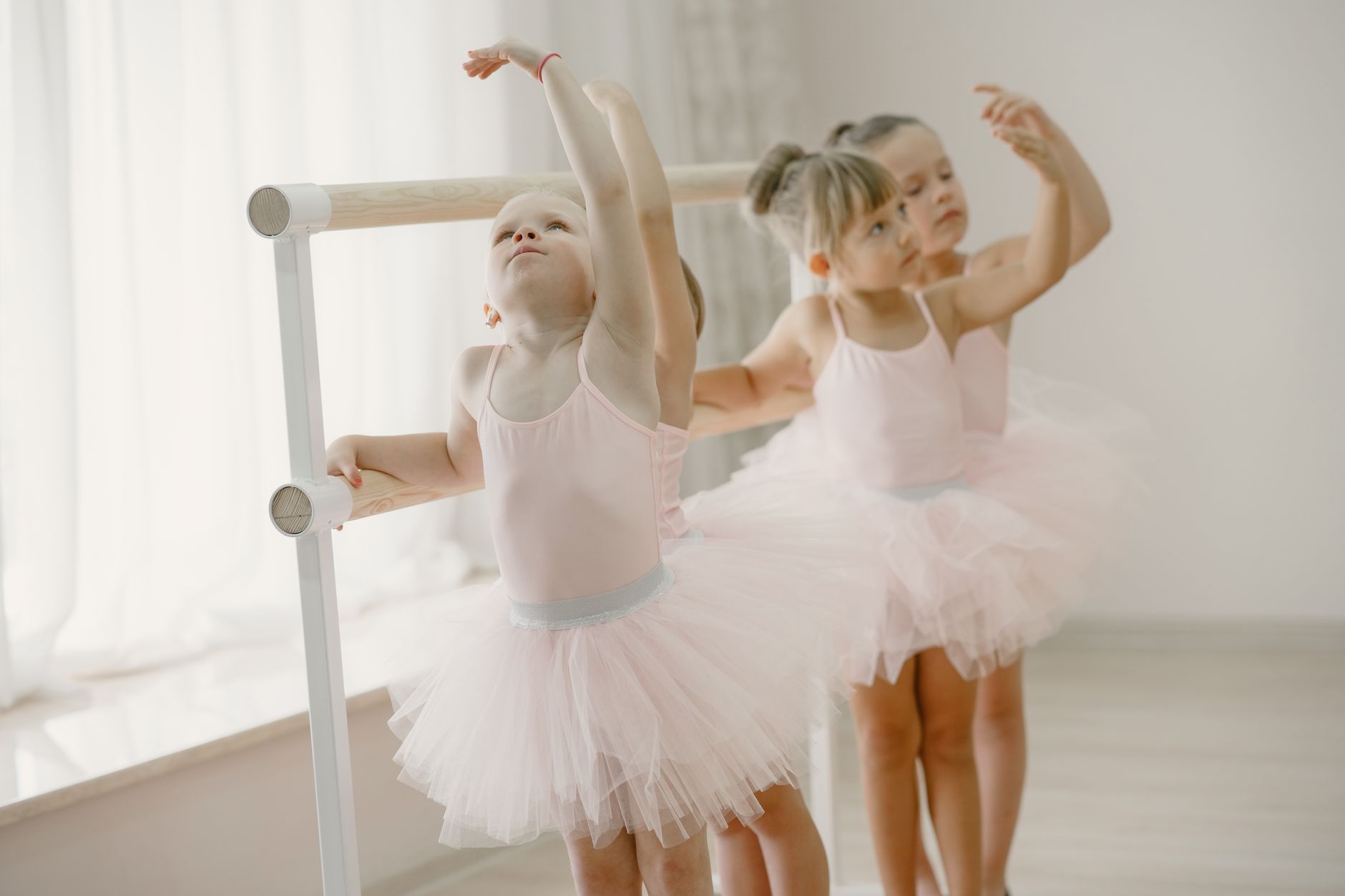
Confidence often grows through small, repeated successes. In a dance class, a child might learn a step, remember a short sequence, or try moving in a new way. Each achievement gives them a chance to notice their progress. Dance also asks children to coordinate their bodies, listen to music, and make choices. With patient teaching and age-appropriate expectations, classes can offer a welcoming setting where children build skills without needing to be perfect.
Practice Makes Progress Visible
Dance steps can feel unfamiliar at first, but repetition helps children remember how to move. As they practice, they can see that effort changes what they are able to do. A teacher can break a sequence into manageable parts, then help students connect those parts at a pace that suits the group.
Parents can support this process by praising specific effort rather than comparing children or focusing only on performance. Try noticing that your child kept practicing a tricky step or remembered more of a routine. This helps them connect confidence with learning and persistence, not with getting every movement right.
Movement Builds Coordination
Dance combines actions such as stepping, turning, balancing, and reaching. Children also listen for rhythm and respond to changes in music or instruction. Working on these skills together encourages body awareness and coordination, while giving children practice following directions and adjusting their movements.
A child may need time to develop a new movement. Instructors can offer simpler options, demonstrate steps clearly, and make room for different learning speeds. At home, families can encourage safe, playful movement without turning practice into a test. A few minutes of moving to a favorite song can help a child enjoy using their body.
Creativity Supports Self-Expression
Not every dance activity needs a single correct answer. When children are invited to invent a gesture, respond to music, or show an idea through movement, they practice making choices. This can help them feel that their ideas belong in the room, even if they are different from someone else’s.
Creative movement can also give children a way to explore feelings and tell simple stories without relying on words. Teachers can provide a clear prompt while letting students decide how to interpret it. Families can ask open questions afterward, such as which part felt fun or what movement the child came up with on their own.
Performing Can Be a Supported Step
Sharing a dance with an audience can help children practice being seen and completing a group goal. A performance might take place in class, for family members, or on a stage. The setting matters less than making sure the child understands what to expect and feels supported rather than pressured.
Before a performance, explain the basic plan and let your child talk about any nerves. Remind them that performing is about sharing what they have practiced, not proving they are the best. Afterward, focus on what they experienced and learned. A positive, low-pressure approach helps children decide whether they would like to perform again.
Dance classes can help children build confidence through practice, creative choices, coordination, and supported opportunities to perform. Look for a class with clear instruction, room for different learning styles, and an emphasis on progress over perfection. If you are exploring options, ask about the class format and how instructors help new students feel comfortable.